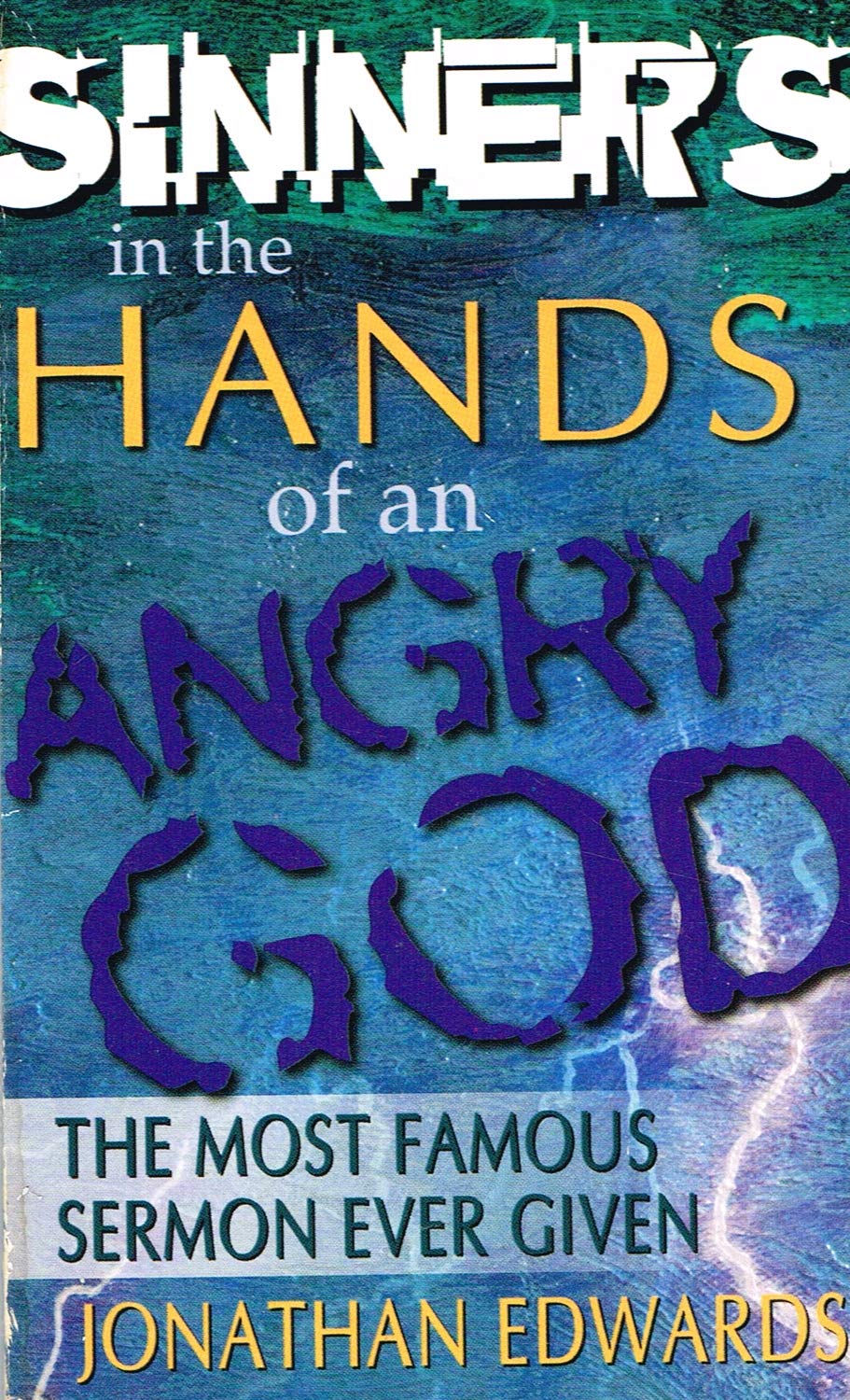
Why the Sinners in the Hands of an Angry God Holds Up
Edwards's 1741 sermon still lands with full force in this slim, no-frills edition — essential reading for anyone serious about American religious history or the craft of persuasive rhetoric.
Every so often a text earns its place in the permanent record not because scholars decided it mattered, but because it demonstrably changed the room it was delivered in. 'Sinners in the Hands of an Angry God' is one of those texts. Edwards preached it once, in a small Connecticut town, and the reverberations reached across the entire colonial religious landscape. Understanding why requires actually reading it — not a summary, not a Wikipedia entry, the sermon itself.
Edwards was not a shouter. Contemporary accounts describe his delivery as calm, almost flat. The power was entirely in the construction of the argument. He was a trained logician working within a Calvinist framework, and the sermon reflects that: premise, elaboration, image, implication, appeal. The famous passages about God's wrath aren't emotional outbursts — they're the calculated conclusions of a carefully built case. That's what makes the text worth studying for anyone interested in rhetoric, not just theology.
For American literature readers, this sermon sits at the headwaters of a long tradition of jeremiad writing — the public call to moral reckoning that runs from the Puritans through Thoreau, Baldwin, and beyond. You can't fully read that tradition without going back to Edwards. The sermon is short enough to cover in a single sitting and dense enough to reward multiple readings. It's one of the rare texts that works as history, as literature, and as a live document of a specific spiritual moment.
The keyword 'sinners in the hands of an angry god' draws significant organic search interest, which tells you something about how deeply this title has lodged in cultural memory. People come to it from high school English class, from theology courses, from genuine curiosity about what the colonial American religious imagination actually looked like. This Sword of the Lord edition meets that curiosity at a price that removes any barrier to entry.
If you're building a shelf of primary American documents — the kind of shelf that holds up to a decade of real use and real re-reading — this sermon belongs on it. Pair it with a good Edwards biography or a broader anthology of Puritan writing for context, and you have the foundation of a serious engagement with one of the most consequential voices in American intellectual history.