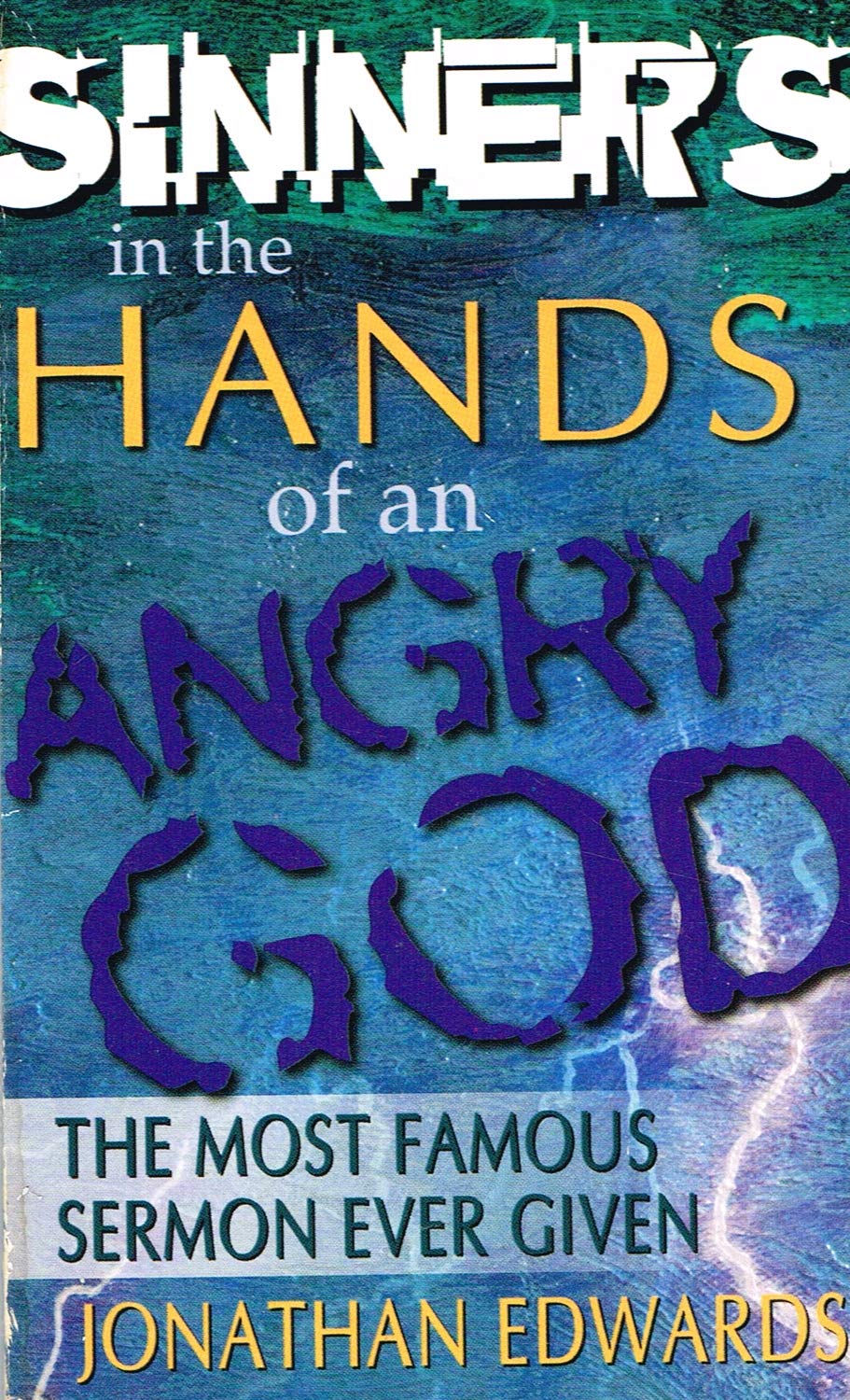
Sinners in the Hands of an Angry God
Edwards's 1741 sermon still lands with full force in this slim, no-frills edition — essential reading for anyone serious about American religious history or the craft of persuasive rhetoric.

TL;DR Summary
Pros
- Text presented cleanly without editorial interference — the sermon speaks for itself
- Extremely affordable, making it practical for classroom or group distribution
- Compact format is easy to carry and share
- Preserves one of the most consequential primary documents in American religious and literary history
Cons
- No historical introduction or contextual notes — readers new to the Great Awakening are on their own
- Physical construction is minimal; not built for heavy annotation or long-term heavy use
- Single-text format offers no supporting sermons or comparative Edwards material
View Product
Check availability and current pricing
Affiliate link — we may earn a commission at no additional cost to you. Price shown ($5.99) reflects what we paid at time of purchase and may differ from current seller pricing.
Extended Observations
Edwards's 1741 sermon still lands with full force in this slim, no-frills edition — essential reading for anyone serious about American religious history or the craft of persuasive rhetoric.
Jonathan Edwards delivered 'Sinners in the Hands of an Angry God' in Enfield, Connecticut in July 1741, and accounts suggest the congregation was audibly shaken before he finished. That kind of rhetorical power doesn't age out. Nearly three centuries on, the text reads with the same compressed urgency — every sentence pulling toward a single, unavoidable conclusion. This Sword of the Lord edition makes that sermon accessible in a compact, affordable format that earns its place on a working shelf.
What holds up is the architecture. Edwards doesn't bludgeon. He builds. The sermon's famous spider-over-the-fire image arrives only after pages of careful logical scaffolding, which is why it still hits. Reading it closely, you start to understand why this text appears in nearly every American literature survey course alongside Bradford and Winthrop. It's a masterwork of Puritan rhetoric, and this edition presents it cleanly without editorial interference.
The production is modest by design — saddle-stitched or simply bound, small trim size, no academic apparatus. For students encountering the text for the first time, that simplicity is a genuine virtue. The words are the whole point, and nothing here competes with them. The price point makes it easy to stock multiples for classroom use or to hand off without hesitation.
The fit here is clear: theology students, American lit undergraduates, pastors building a historical preaching library, or any reader who wants a primary document from the Great Awakening without paying for a full scholarly anthology. It's not a collector's edition, and it doesn't pretend to be. What it is, is honest and useful.
Two caveats worth naming: the lack of historical introduction means first-time readers arrive without context for the Northampton revivals or Edwards's broader intellectual project. And the physical format, while appropriately priced, won't survive years of heavy annotation. For serious long-term study, a more durable scholarly edition makes sense. As an entry point or a classroom handout, though, this does exactly what it needs to do.
Our Verdict
Edwards's 1741 sermon still lands with full force in this slim, no-frills edition — essential reading for anyone serious about American religious history or the craft of persuasive rhetoric.
Buy NowAffiliate link — we may earn a commission at no cost to you
Discussion
0 commentsSign in to join the discussion
Sign inNo comments yet. Be the first to share.