Why the Tamarillo Tree Seeds 35-Pack Holds Up
A generous 35-seed pack of tomate de arbol — the Andean tree tomato — that gives patient growers a real shot at an unusual, productive fruiting tree worth tending for years.
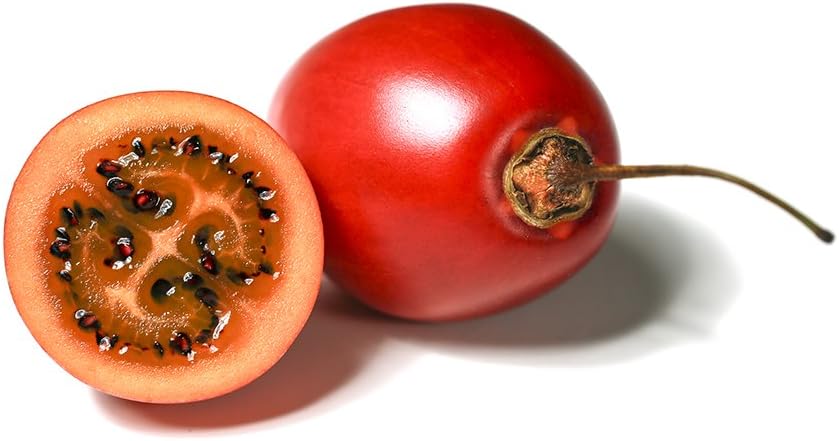
The tomate de arbol has been a staple of Andean kitchens for centuries, and it deserves a wider audience in North American gardens. Known botanically as Cyphomandra betacea and commonly as tamarillo, this fast-growing subtropical tree produces clusters of oblong, jewel-toned fruits that split cleanly and taste like a sharper, more complex tomato with faint tropical undertones. It's the kind of plant that makes visitors stop and ask questions.
For gardeners searching for tomate de arbol seed in the U.S., sourcing has historically been the main obstacle. Specialty nurseries carry starts occasionally, but seed stock is harder to find in meaningful quantities. The Milamend 35-pack on Amazon fills that gap practically — it's accessible, reasonably priced, and gives you enough seeds to run a proper germination setup rather than coddling a single precious specimen.
Growing tamarillo from seed is a medium-difficulty undertaking. The seeds want warmth above everything else — a seedling heat mat set to 70°F and a humidity dome will get you to germination in two to three weeks reliably. Once the seedlings hit six inches, they're surprisingly vigorous. In a container with good drainage and a sunny south-facing exposure, a tamarillo can reach fruiting size within eighteen to twenty-four months. That's not instant gratification, but it's not a decade-long commitment either.
The fruit itself is the payoff that justifies the patience. Halved and scooped, fresh tamarillo works in both sweet and savory applications — blended into aji sauces, stirred into chutneys, or simply eaten with a spoon and a little sugar. The flavor is assertive enough to hold up next to strong ingredients, which makes it genuinely useful in the kitchen rather than just a novelty.
For anyone building out an edible landscape with an eye toward unusual fruiting plants, the tamarillo belongs on the list alongside feijoa, loquat, and other underappreciated choices. Starting from seed with a pack like this is the most economical entry point, and the 35-count gives you real flexibility. The tomate de arbol rewards the grower who takes it seriously — and this is a solid place to start.